
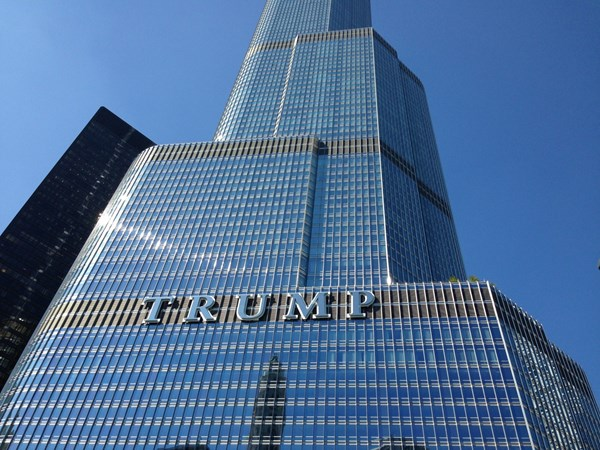
The business empire of Donald Trump provides a compelling, real-world lesson in global corporate structuring. Understanding the dynamics of Offshore vs Onshore of Trump‘s entities is key to grasping how global tycoons manage liability, privacy, and tax burdens across jurisdictions. Trump’s portfolio, often criticized for its complexity, is a masterful display of leveraging both domestic and foreign legal frameworks to maximize the benefits of company formation.
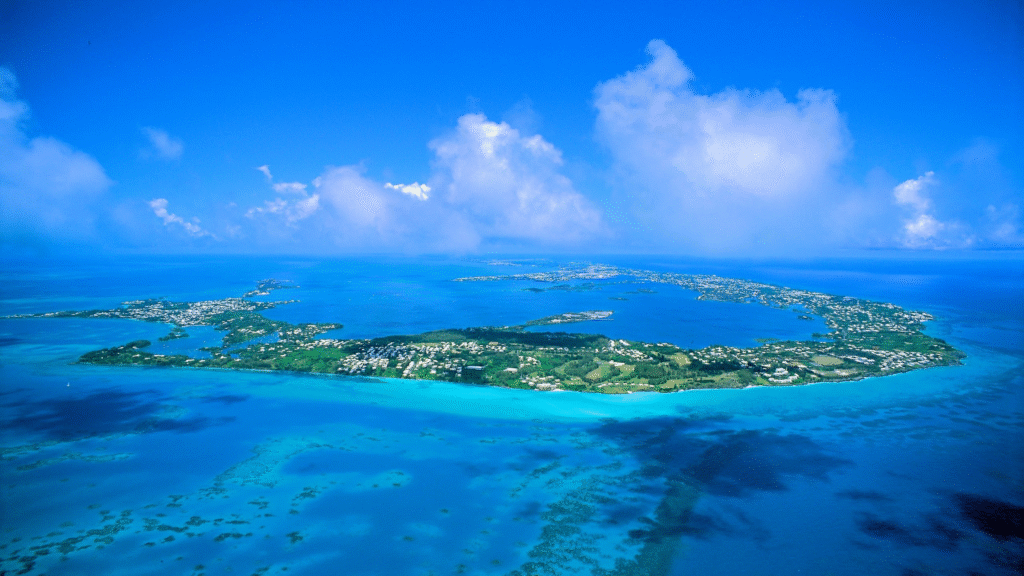
Table of Contents,
🇺🇸 The Onshore Foundation: Control and Commerce in the Trump Empire
Onshore refers to companies incorporated and operating within the primary country where the owner resides and conducts the majority of their business. For Trump, this means entities established in New York and Florida, where most of his core operational real estate and hospitality businesses are located. These companies are subject to full U.S. corporate laws, taxes, and disclosure requirements set by agencies like the IRS (https://www.irs.gov/vi/about-irs).
However, the U.S. also offers onshore jurisdictions that provide preferential treatment—a form of domestic optimization. Forming a company in the US (Delaware) is the prime example.
Delaware: The Domestic Offshore Substitute
Delaware is technically “onshore,” yet it is renowned globally for its highly favorable corporate laws. Establishing an LLC or corporation in Delaware provides corporate flexibility and significant tax advantages. Delaware generally does not tax corporate income earned outside the state, making it ideal for holding companies that manage assets in other states or internationally.
For global entrepreneurs, Delaware offers many of the privacy and financial benefits sought abroad, all while remaining under the U.S. flag.
🏝️ The Offshore vs Onshore Strategy: Privacy, Global Efficiency, and Tax
Offshore refers to entities established in jurisdictions (often islands or smaller nations) with low-to-zero corporate taxes and strict banking secrecy laws. While the Trump Organization’s specific usage is complex, reports have noted the use of entities in jurisdictions like Bermuda for purposes such as asset holding or insurance management—a common global practice.
The strategic advantages of an Offshore vs Onshore structure are clear:
| Feature | Onshore (NY/Florida) | Offshore (Bermuda/Cayman) |
| Tax Rate | Standard national and state corporate tax. | Zero or near-zero corporate tax on foreign earnings. |
| Public Disclosure | High transparency. | High privacy (owner details often kept private). |
| Liability | Protection limited by U.S. legal jurisdiction. | Strong asset segregation and protection from foreign lawsuits. |
An offshore setup is crucial for international deals, allowing the segregation of foreign liability and optimizing the global effective tax rate, all while adhering to standards monitored by organizations like the OECD (https://www.oecd.org/en.html).
📈 The Holistic Approach: Analyzing Offshore vs Onshore of Trump
The complexity of the Trump corporate structure illustrates that both Offshore vs Onshore of Trump frameworks are powerful legal tools. The decision of where to incorporate is a calculated one, focusing on where legal protection is strongest and tax efficiency is highest for a given asset.
For a business to manage its global financial pipeline—from receiving revenue from a Scottish golf course to paying local staff—the U.S. onshore structure serves the domestic need, while international subsidiaries simplify foreign operations. These structures require specialized company formation services and often need global account opening to function effectively. Ultimately, understanding this dual approach is the key to mastering modern international finance.